
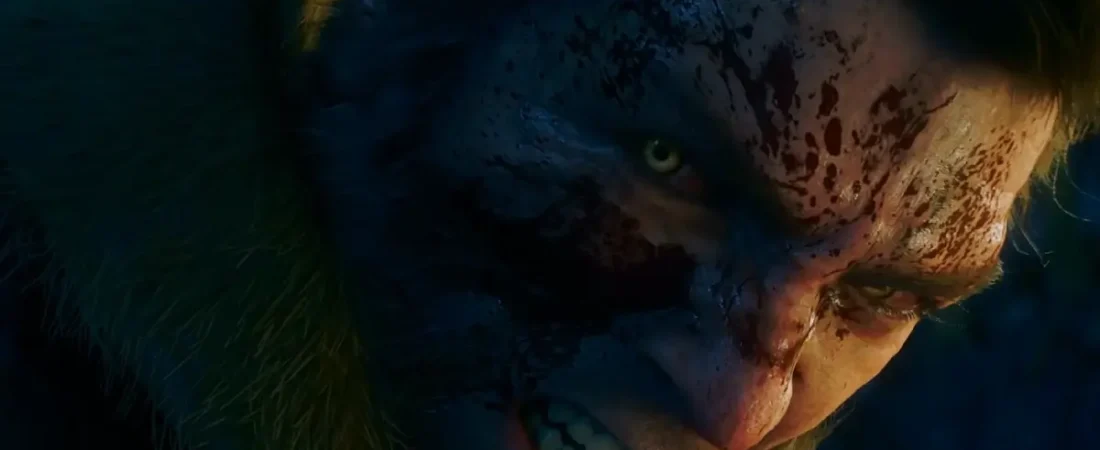
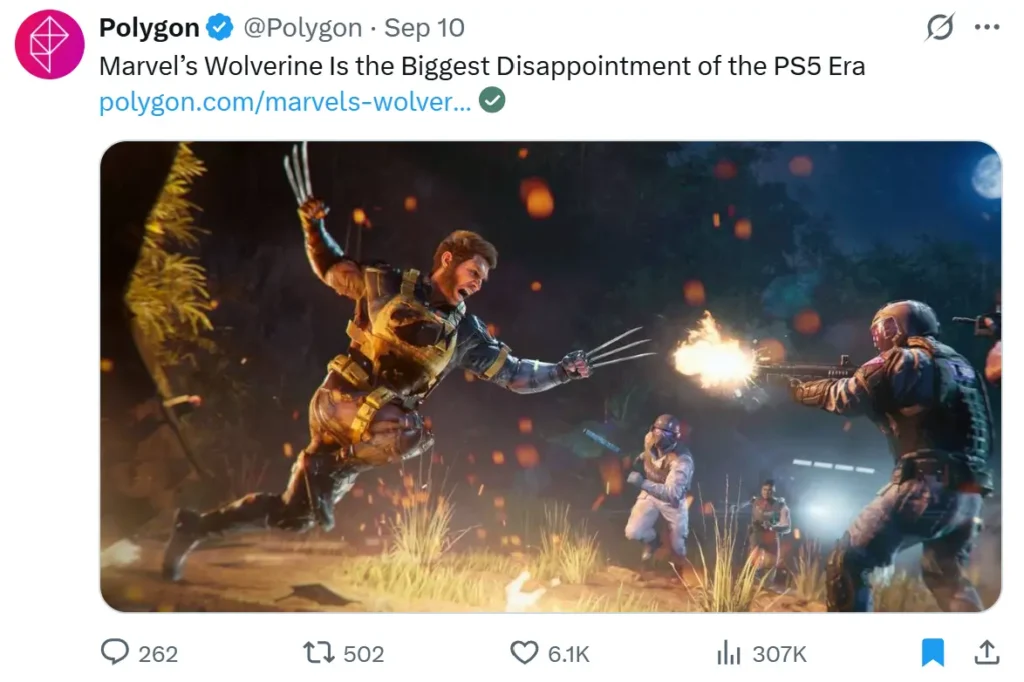
The release of critic reviews for Insomniac’s $300 million big-budget game Marvel’s Wolverine arrived with surprisingly mediocre to bad reviews. This poor reception was the final straw that led many players to cancel their pre-orders. Outlets like Polygon even called it the biggest disappointment of the PS5 generation. Before reviews officially came out, early trailers made the game look like a guaranteed hit, but once critic reviews started trickling in, it quickly became clear that the final product fails to hit the high standards Insomniac Games set over the last decade.
The Insomniac Track Record
To understand why a 78 Metacritic score is so concerning, you have to look at how two major outlets evaluated Insomniac’s past superhero games. Both IGN and GameSpot have loved every single Insomniac Marvel release, so seeing both sites give Marvel’s Wolverine a 6/10 is a major red flag.
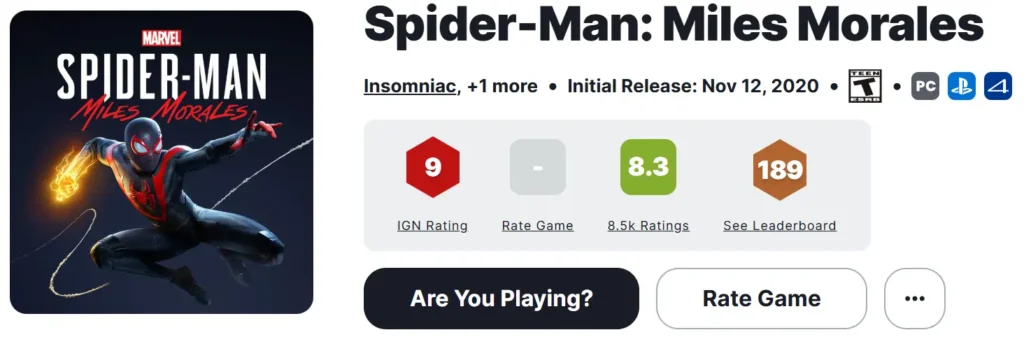
Back in 2018, Marvel’s Spider-Man launched to huge praise, earning a 9/10 from GameSpot and an 8.7/10 from IGN. Its 2020 follow-up, Marvel’s Spider-Man: Miles Morales, kept up that standard with a 7/10 from GameSpot and a 9/10 from IGN, while 2023’s Marvel’s Spider-Man 2 earned solid 8/10 scores from both outlets. In stark contrast, Marvel’s Wolverine struggled right out of the gate with matching 6/10 scores from IGN and GameSpot, dragging its Metacritic average down to a mediocre 78.
When two major sites that consistently praised the combat and movement of prior games both land on a 6/10, it signals a real drop in quality. Fast-paced combat was supposed to be Wolverine’s main attraction, so seeing critics repeatedly complain about button-mashing and repetitive fights is something gamers should not ignore when deciding if this game is right for them.
The $70 Risk and Platform Restrictions
Ever since the review backlash began from mainstream critics, a common argument online from people excited for Wolverine has been that players should just play the game themselves instead of relying on critics. This became the main line of defense for the game, highlighted by a popular Reddit thread titled “Decide for yourself not the reviews.” However, the post directly mocked the idea of spending $70 just to test out a game, asking why dropping top dollar on a weak experience should ever be considered normal.
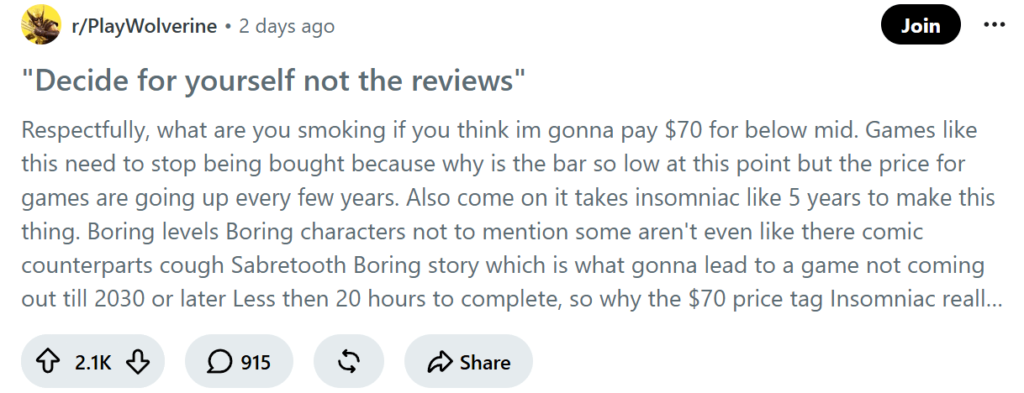
Community responses in the thread pointed straight to the real issue: money and digital restrictions. “Deciding for yourself” is nearly impossible on PlayStation consoles because of Sony’s strict digital return policy. Once a download starts, your purchase is locked in. Unlike Steam, which gives you a generous two-hour window to play and test performance before asking for a refund, PlayStation leaves you with zero ways to get your money back if a game is bad. On top of that, charging a full $70 puts any game in direct competition with top-tier blockbusters. A 6/10 or 7/10 score might be fine for a $30 or $40 budget game, but asking players to gamble full AAA money on boring combat is an unfair ask. Previews, trailers, and reviews exist specifically so gamers don’t have to pay a $70 entry fee just to see if a game is actually worth their time.
Physical Games and Consumer Protection
This situation also highlights why keeping physical disc games around is so important. While buying a disc isn’t as convenient as Steam’s two-hour digital refund policy, physical games give you a safety net by letting you resell titles you don’t enjoy. If you end up with a disappointing game on disc, you can trade it in at stores like GameStop or sell it directly to another player on sites like eBay or Facebook Marketplace. Even if you only get back half of what you paid, recovering some cash is better than buying a digital copy and losing the full $70 after just a few hours.
Marvel’s Wolverine still benefits from physical media, as the game is available on disc. If you really want to try it out despite the mixed reviews, buying the physical version gives you an exit strategy: if you end up hating it, you can always resell the disc and get some of your money back.
Pattern Recognition vs. Blind Hype
Reviews exist to help buyers spot warning signs before spending their money. While no review can tell you exactly how much you will enjoy a game, consistent feedback across dozens of independent critics gives you a clear picture. When almost every reviewer points out weak combat alongside a decent story, you know what to expect. If all you care about is the story, Wolverine might still be worth your time. But if you were expecting deep action and great combat, the review scores serve as an important warning.
Of course, looking at the other side, players who are not tight on money and don’t mind spending $70 might feel that buying the game is still the best way to form an opinion. No video or stream can completely replace the feeling of playing it yourself. Watching gameplay shows you the story, but it doesn’t give you the actual feel of pulling off combat combos or solving puzzles on your controller. For anyone willing to drop $70 without worrying about the cost, playing it firsthand is the ultimate test, but for everyone else, reviews are the only protection against buyer’s remorse.
Better Value in the Current Market
The timing of this release with the low reviews, makes that $70 price tag even harder to defend with the current output of great games in the past month. Over the last few weeks, several great alternative games have launched at much lower prices. Releases like Star Wars: Zero Company at $50 and WarDogs at $40 prove that great games don’t have to cost full AAA prices. That makes it much easier to walk away from a $70 game that comes up short. Meanwhile, other full-priced $70 games like Onimusha and Dawnwalker justify their high price with great reviews and the safety net of Steam’s refund policy.