
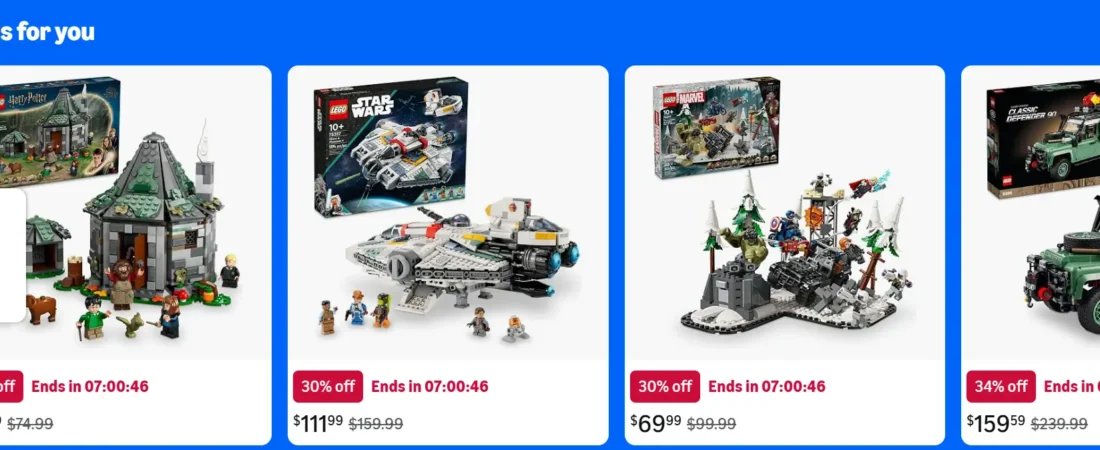
Amazon Prime Day has officially come and gone, and to put it bluntly: the deals were an absolute disappointment. From underwhelming discount percentages to a ghost-town selection of items actually worth buying, the event failed to live up to the hype. While our main focus here on FinBriCo is LEGO, the frustration was universal, spanning across almost every shopping category on the site.
Coming off the back of last year’s equally lackluster Prime Day event, the relentless marketing blitz, promising up to 40% off and stretching the event across an extended multi-day window—led shoppers to believe Amazon was cooking up something special this time around. In a tough economy where, according to Gallup News, 55% of Americans report that recent price increases have been a “hardship on their ability to maintain their standard of living,” everyone is watching their wallets. Because of this, the event felt like a massive missed opportunity for Amazon to genuinely reward its loyal Prime members.

Instead, consumers were left disappointed with recycled discounts, a sparse selection of genuine markdowns, and pricing optical illusions. Here is exactly where Prime Day missed the mark.
Recycled Discounts and Stale Deals
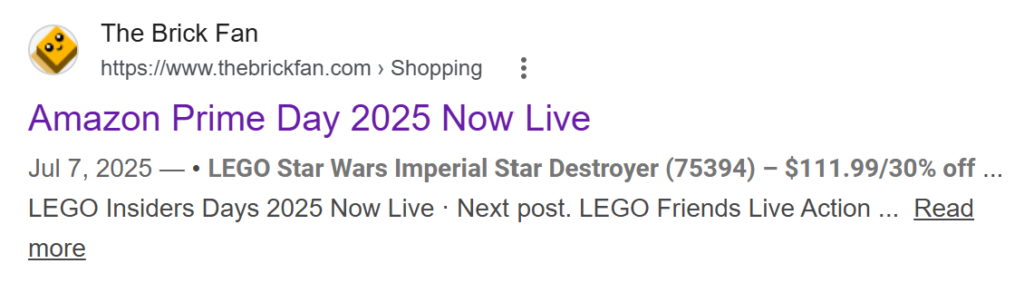
The biggest grievance has to be the lazy discount percentages. If you experienced a sense of déjà vu browsing the sale pages, you aren’t alone; many of this year’s “deals” were identical to what we saw last year. As one Reddit user aptly summarized, there was “nothing interesting to buy. Always the same things on sale every year on prime day.”
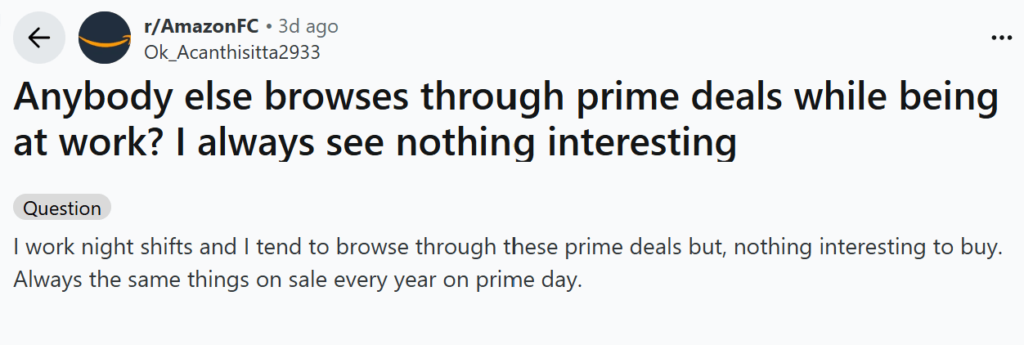
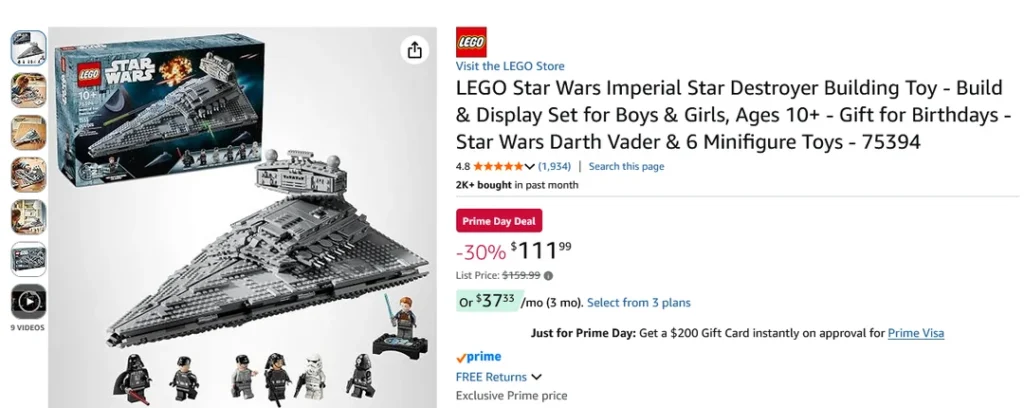
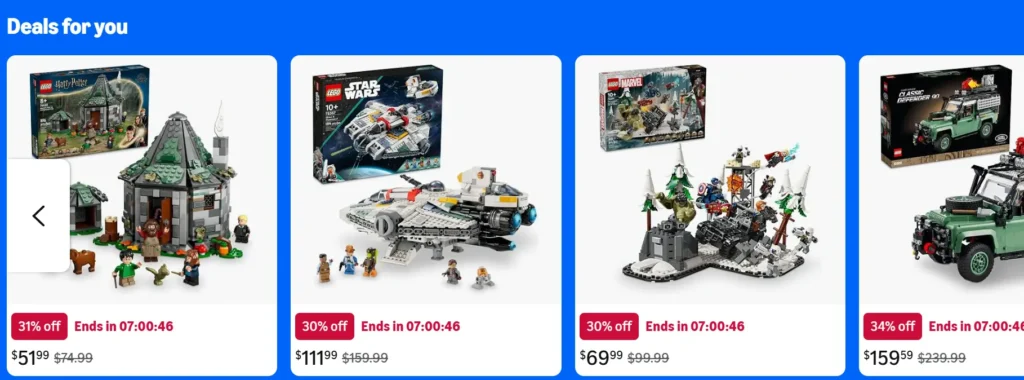
This stagnation was glaringly obvious in the LEGO category. Typically, as a LEGO set ages and approaches its retirement date, retailers increase the discount to clear out inventory. Yet, Amazon refused to budge. A prime example of this is the LEGO Star Wars Imperial Star Destroyer (75394), which went on sale for $111.99. This amounted to the exact same 30% discount we saw last year according to thebrickfan. For a set that is a year older and expected to leave shelves by the end of the year, a steeper markdown was a perfectly reasonable expectation. Instead, Amazon just pressed copy-paste.
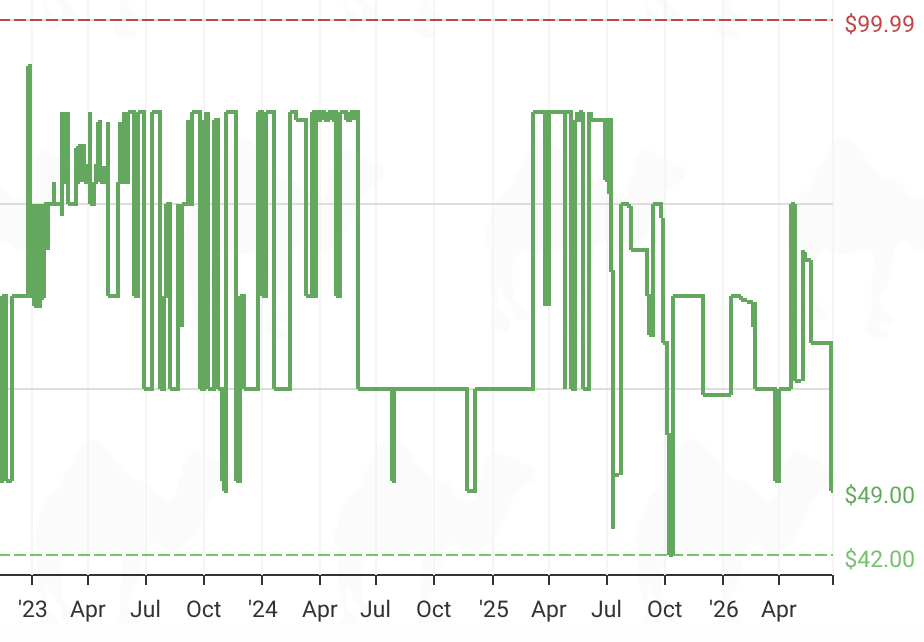
An even worse offender was the Keurig K-Mini Single Serve K-Cup Pod Coffee Maker. This is an eight-year-old product that sold for $44 during last year’s summer Prime Day event. This year, it was advertised as a massive 51% off deal, yet the actual checkout price was $49, meaning shoppers were paying more this year for an older product.
Anchor Pricing Tactics
Beyond stale discounts, the event leaned into one of the worst gimmicks in modern shopping. A frustrating practice known as anchor pricing, which has unfortunately become an industry standard for online retailers.
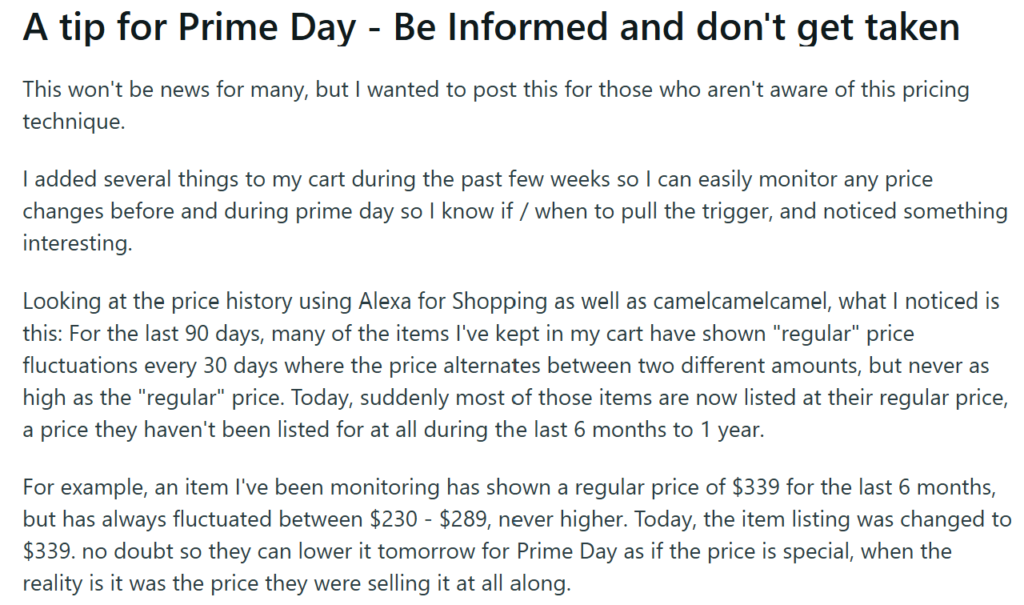
To make a discount look far more impressive than it actually is, stores list the item’s maximum retail price (MSRP) as the “original price,” even if the item hasn’t sold at that price in months. Another Reddit user highlighted this exact trap while sharing Prime Day warning tips, explaining that an item retailing for $339 had been regularly floating in the $230 to $289 range for months. Conveniently, just one week before Prime Day, the price shot back up to the full $339 MSRP. This would allow Amazon to boast a massive “percentage off” during the sale days, even though the actual savings compared to the prior week were minuscule.
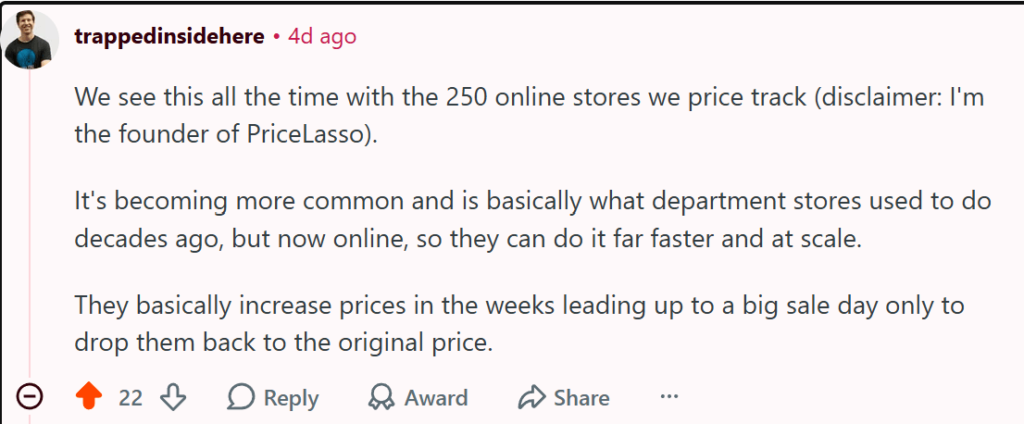
This isn’t just an anonymous internet theory; it’s a systemic problem with modern e-commerce events. As the founder of PriceLasso noted on reddit, companies basically increase prices in the weeks leading up to a big sale day only to drop them back to the original price.
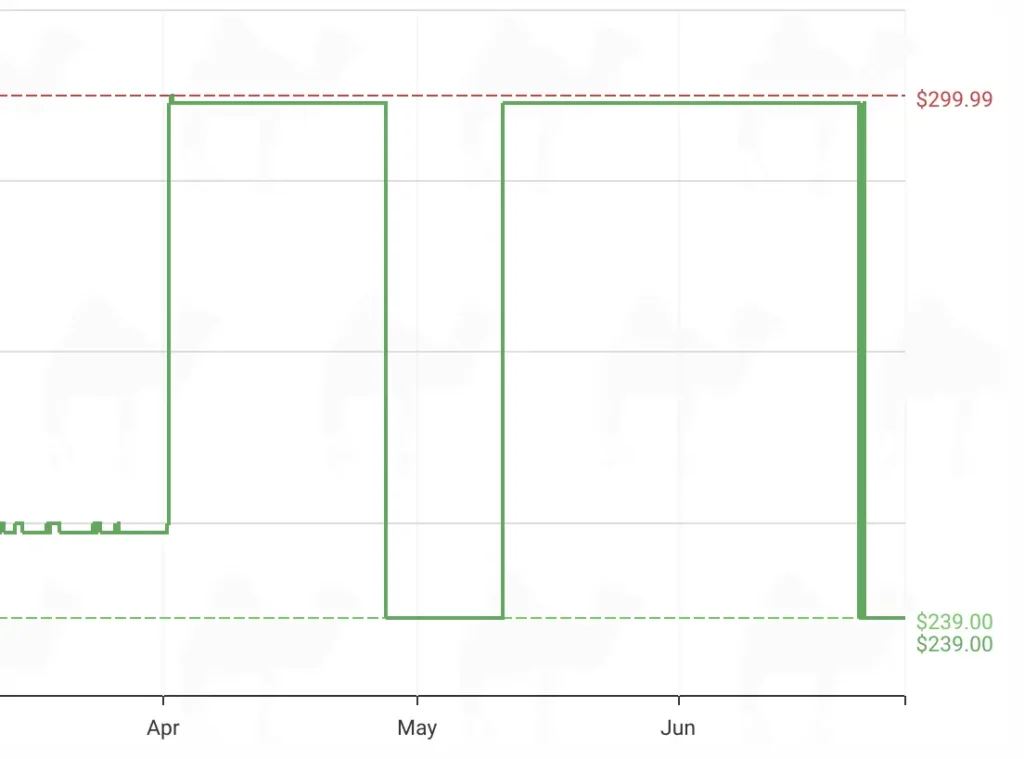
I witnessed this firsthand with tech items, most notably the Nex Playground active gaming console. Knowing it was $179 last year, I was hoping to score it for around $200 to $210 this time around. However, when tracking its recent price history through camelcamelcamel, the manipulation became obvious.
In early May, the console was sitting at $239, but just a few weeks prior to Prime Day, the price suddenly shot up to $299. When the sale officially started, the Prime Day “deal” dropped the price right back down to $239. Amazon slapped a shiny “deal” badge on the console to showcase a high discount percentage, when in reality, they just reverted it to the exact same price it had been sitting at a month and a half earlier.
A Remarkably Limited Selection of Good Items
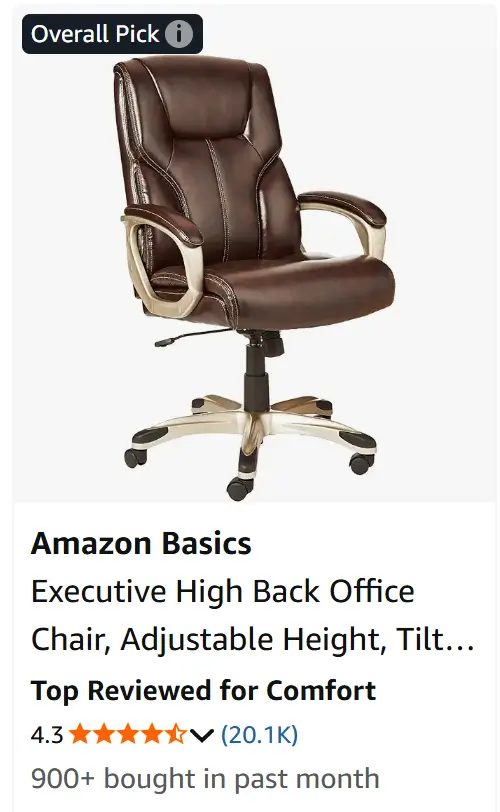
When it came to items people were actually excited to buy, the inventory was incredibly dry. Funnily enough, the absolute best discounts on the entire site weren’t on hot tech or popular toys. Instead, they were everyday household essentials like garbage bags and grocery items like canned tuna. To Amazon’s credit, some of their own in-house products had good markdowns, such as the Amazon Basics Executive High Back Office Chair, but it was hardly the retail event of the year.
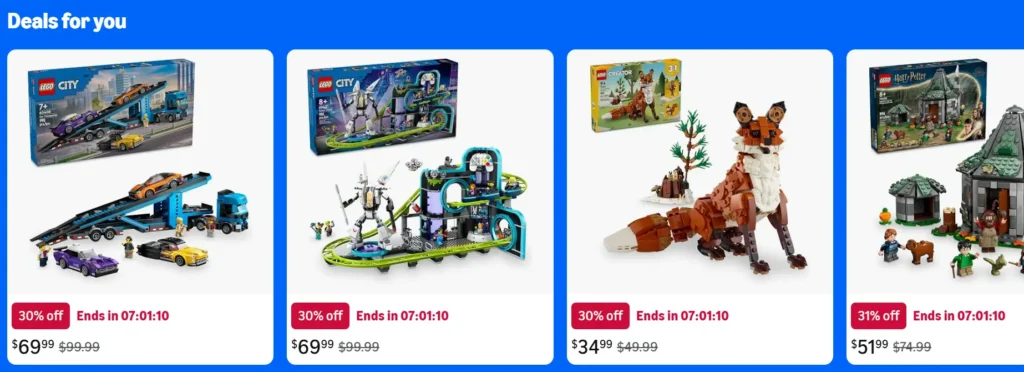
As for the LEGO selection? The sets that actually hit a respectable 30% markdown only spanned about a single page. Considering the massive catalog of incredible sets Amazon carries, offering such a tiny, restrictive handful of genuine deals felt like a slap in the face.
Going Forward
After enduring these disappointing sales days on top of last year’s underwhelming events, my strategy going forward is to just buy items before the sales days even happen. The discounts simply aren’t deep enough to justify the wait, and the vast majority of the markdowns we do see are either artificial or just recycled from items that have been constantly on sale throughout the past year anyway. Moving forward, the smart move is to ignore the artificial ticking clock and shop on your own terms.
FinBriCo is an independent fan site and is not affiliated with, authorized, or endorsed by The LEGO Group.