
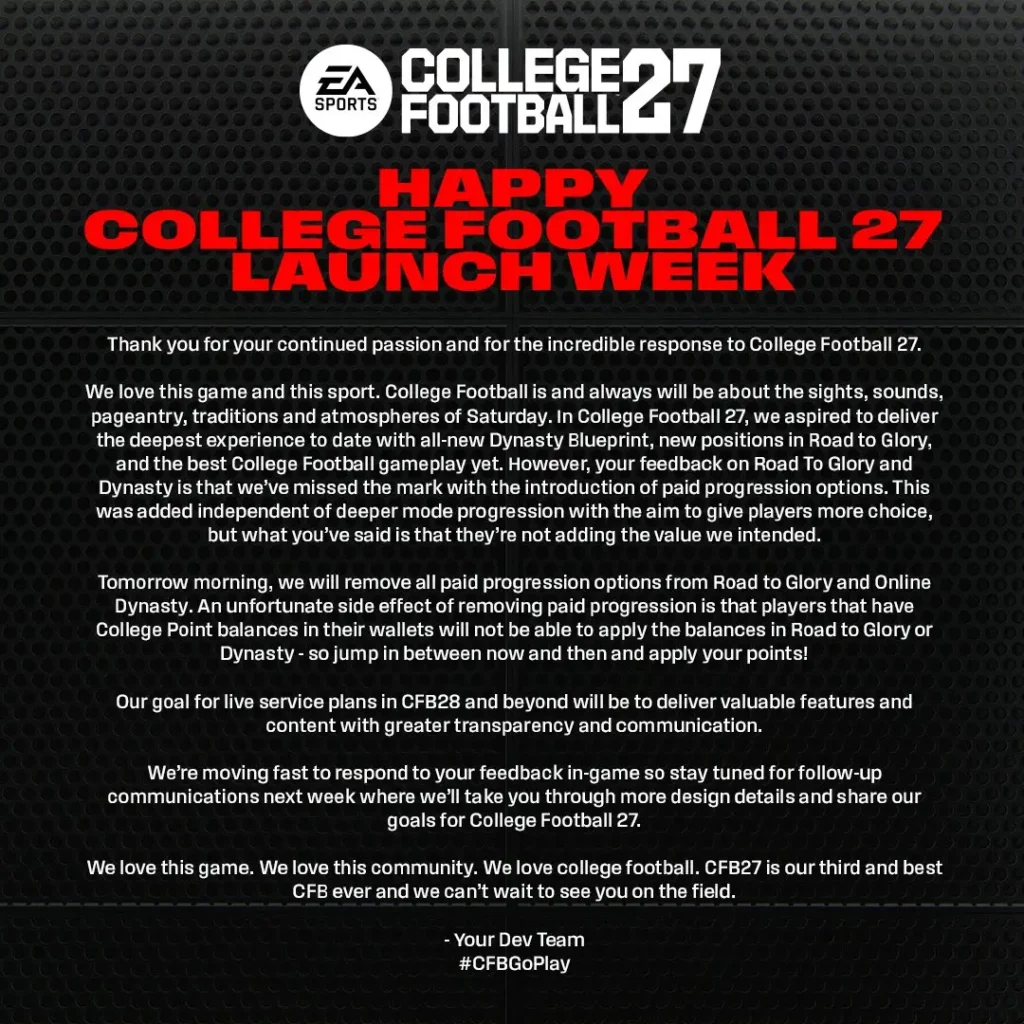
Following the controversial news that microtransactions would be implemented in offline game modes for EA Sports College Football 27, the community’s outcry spread like wildfire. The pushback was so significant that even non-sports gamers joined the movement, united against the widely detested practice of paid single-player progression. Up in arms over the move, a massive wave of players vowed to either boycott the title entirely or avoid paying for microtransactions in the single player modes. Facing immense pressure, EA ultimately caved. The backlash was so overwhelming that it took the publisher just two days to reverse course, culminating in a July 10th official statement confirming the total removal of paid progression from both Road to Glory and Online Dynasty.
The quick pivot didn’t just save EA from a nightmare; it set the stage for an unprecedented launch week on PC. Typically, annual sports franchises are highly front-loaded, experiencing sharp player drop-offs immediately after launch weekend as opening hype cools down and standard weekday routines resume. They typically only see a resurgence later on in the year during the offseason when the game goes on huge discounts. But CFB 27 has gone a different route.
Looking at the Steam data, it appears the controversy, and its rapid resolution, had a fascinating impact on the game’s launch metrics. Because EA course-corrected so quickly, the data supports two distinct interpretations of how the player base reacted.
On one hand, you can argue the controversy ultimately had no effect on the game’s health. Since the controversy was short lived and it occurred so early on into the game’s life cycle, CFB 27 has maintained an incredibly strong hold on its player base. The game’s opening day peaked at 9,957 concurrent users (CCU), and exactly one week later, it peaked at 9,814. That represents a historic 1.4% drop.
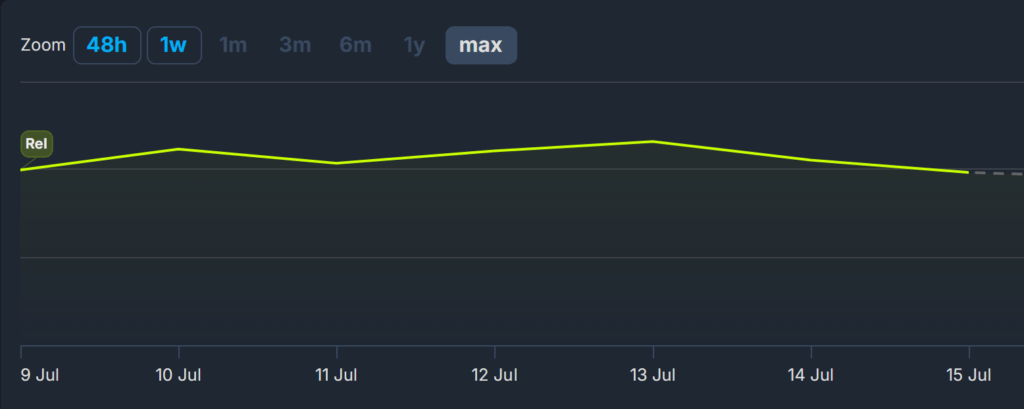
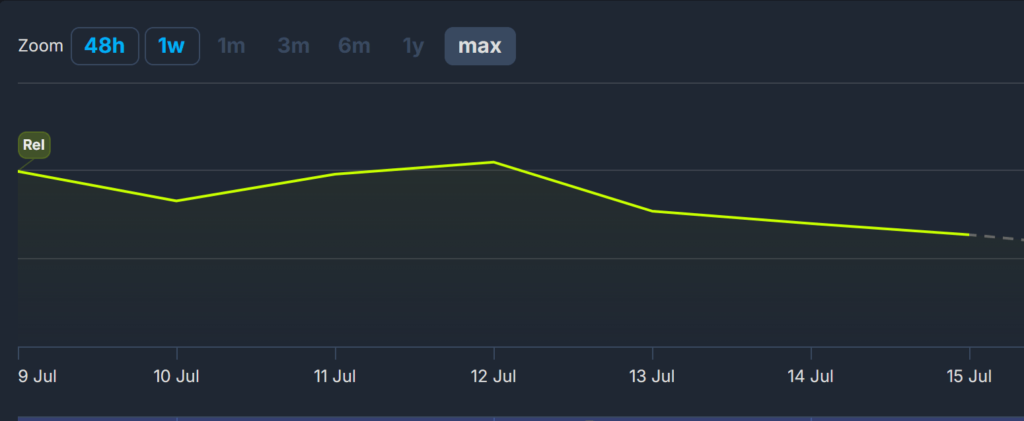
To put that into perspective, even highly successful Steam releases with good word-of-mouth typically see a 20% to 40% drop-off from their opening week highs. A recent example of this baseline drop is Assassin’s Creed Black Flag Resynced. Despite maintaining generally favorable player reception, the high-profile remake started with a massive 99,451 peak concurrent players on its initial release day. However, just a week later, it experienced a standard post-launch cooling period, dropping 36.2% down to 63,509 players.
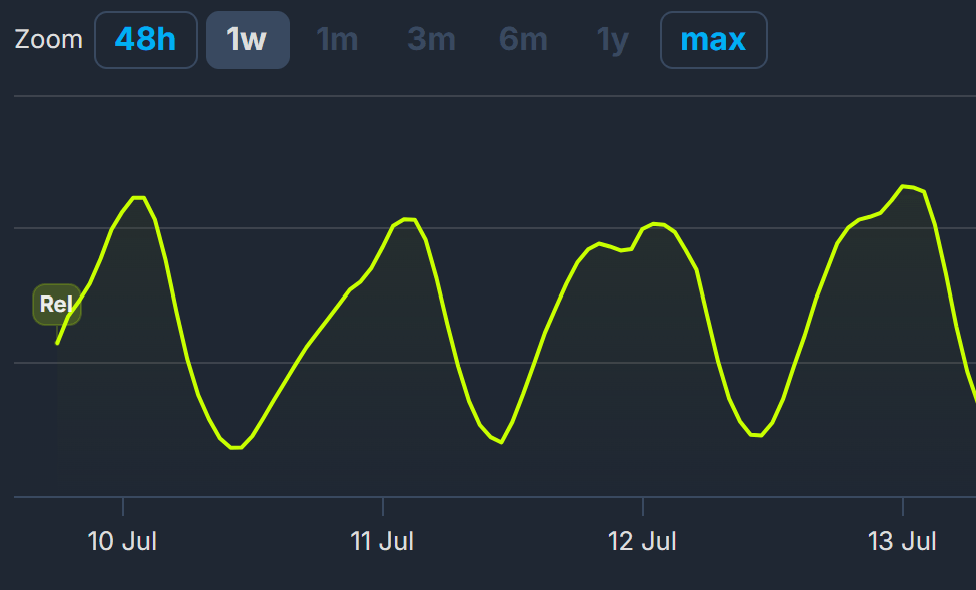
On the other hand, there is a strong case to be made that the announcement had a massive positive effect on pulling back hesitant buyers. The news dropped on July 10th, just one day after the game’s wide public release, bringing in a peak of 11,144 concurrent players. Three days later on Monday, July 13th, the game defied traditional weekend-to-weekday drop-offs to hit its current lifetime peak of 11,578 players. That 3.9% increase directly following EA’s policy reversal suggests that walking back single-player microtransactions successfully salvaged the launch, potentially convinced some of the fence sitters to purchase the game that they were boycotting.