
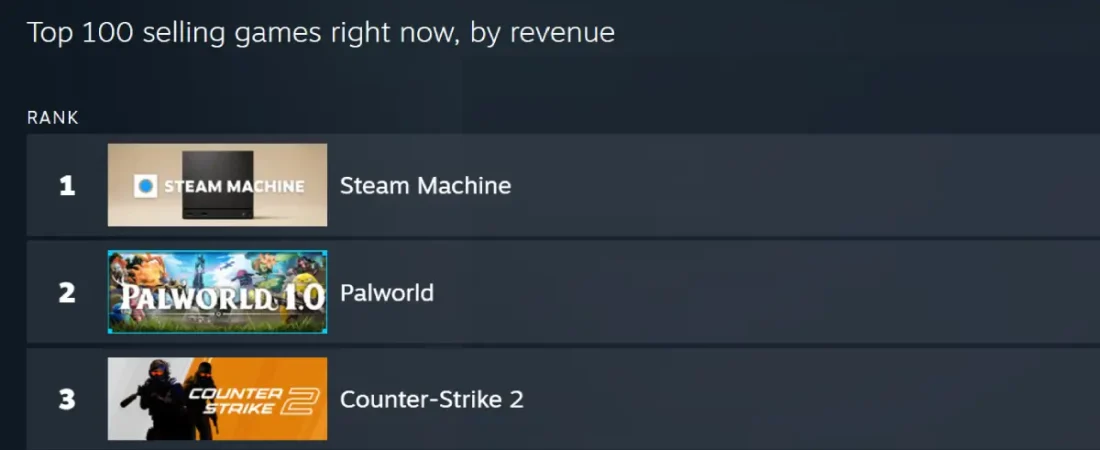
With the Steam Machine nearing its first full month on the market, newly surfaced sales data indicates a disappointing early sales count for Valve’s latest hardware venture. The early metrics have sparked debates between fans and detractors regarding the platform’s initial sales. Optimists argue the console is a covert success, pointing to the gridlocked reservation queues as definitive proof of overwhelming consumer demand. Conversely, critics claim the device is stumbling out of the gate, highlighting leaked launch figures that pale in comparison to those of traditional gaming consoles.
The Initial Launch Numbers
Before diving into the numbers, it is worth noting that they originate from Boiling Steam. Because the outlet relies on market estimations rather than direct inside data, these figures should be taken with a grain of salt. However, if Boiling Steam’s projections hold true, the sales metrics that surfaced yesterday tell a disappointing story. During its crucial launch month, the Steam Machine is moving between 12,000 and 15,000 units per week. If this trajectory holds steady, the hardware will cap out at a maximum of 60,000 units sold during its debut month, a figure that is undeniably underwhelming given the immense industry hype leading up to its release.

In the console’s defense, history shows that sales do not always peak during an opening month; consumers frequently wait for inevitable price cuts, and early manufacturing supply is rarely at maximum capacity. However, the modern tech landscape has fundamentally shifted. Driven by component shortages and industry-wide inflation, buyers now rush to adopt new technology as early as possible, anticipating that hardware costs will likely increase later in the life cycle. This shift makes the Steam Machine’s sluggish launch particularly concerning. While traditional consoles often hit their stride in their third or fourth years, once prices drop and a larger library of games becomes available, Valve’s slow start could be an ominous sign for the device’s long-term viability.
How it Stacks Up Against the Competition
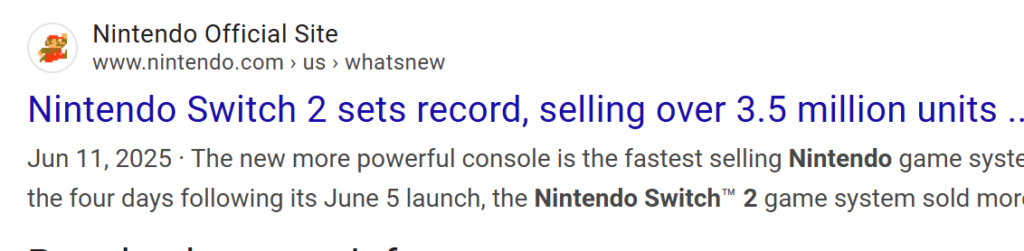
To put these figures into perspective, look at how this launch stacks up against major industry benchmarks like the Nintendo Switch 2 and the Xbox Series X. The Nintendo Switch 2 shattered records by moving a staggering 3.5 million units in its first four days alone. It is an outstanding milestone that completely dwarfs the Steam Machine’s current performance. Even if we are generous and assume the Steam Machine maintains its peak velocity of 15,000 units a week at a constant level, it would take Valve roughly 233 weeks, nearly five full years, just to match what the Switch 2 accomplished in less than a week.
The contrast remains stark when evaluating the Xbox Series X launch as well. While Microsoft never officially confirmed exact launch day metrics, historical tracking data shows the console moved roughly 2.5 million units during its initial debut month. Whether comparing Valve’s new machine to an absolute juggernaut or a standard generational rollout, the numbers show a massive gap between the Steam Machine and established market leaders.
Retail Barriers and Premium Pricing
Several distinct factors are hamstringing the Steam Machine’s reach. First, distribution is highly limited; it is exclusively sold through the digital Steam storefront. This makes it incredibly difficult for casual consumers to discover the machine. Mainline competitors like Xbox, PlayStation, and Nintendo benefit from prominent retail placement at major stores like Best Buy, Target, and Walmart, which acts as constant public advertising.
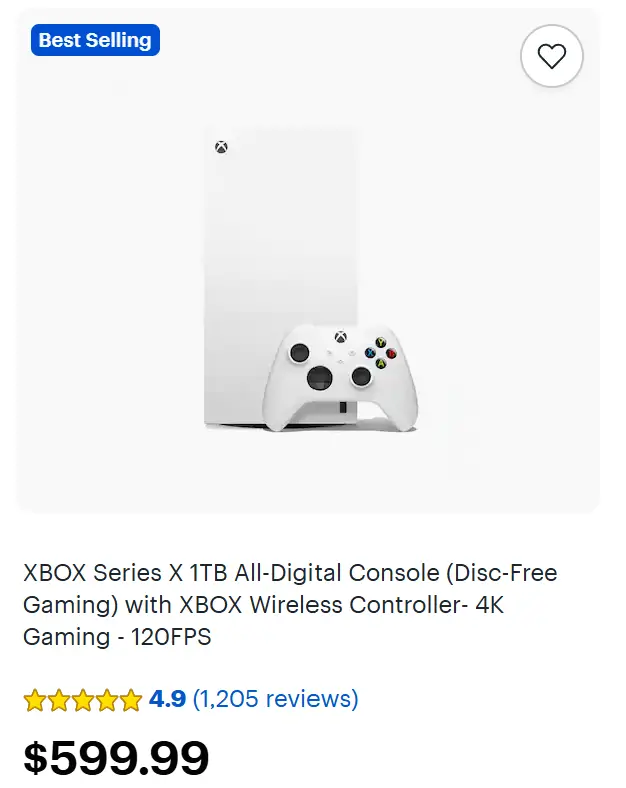
Furthermore, the Steam Machine is the most expensive traditional home console on the market today. This steep premium severely limits its potential buyer pool. By comparison, the Nintendo Switch 2 launched at $450 and remains there, while the cheapest Xbox Series X model currently sits around $600. Both alternatives are over 40% cheaper than the entry-level Steam Machine, leaving Valve with a steep uphill battle to convince the average gamer that its premium price tag is worth the investment.
The Future
Even with modest-to-poor initial launch sales compared to traditional home consoles, there is still a chance the Steam Machine’s volume could grow over time. Selling out 100% of available inventory is undeniably a positive sign, even if the total production volume remains limited. Because Valve is entirely supply-constrained, it is impossible to know how high consumer demand would truly scale if hundreds of thousands of units were readily available on shelves. However, the immediate hurdle is that future unit sales could slow even further in the coming months if manufacturing costs continue to climb.
According to a recent report by VideoCardz, Valve hardware engineer Yazan Aldehayyat told Bloomberg that the ongoing component shortage is “still getting worse”. Aldehayyat noted that current retail prices actually lag behind bulk component supply by three to six months. This means the worsening global DRAM and storage inventory crisis has yet to fully hit consumer shelves. If these critical memory components remain difficult to secure, supply and demand would indicate that the Steam Machine’s retail price could surge even higher, pricing out even the hardcore steam machine fans who have not been able to acquire one of the early copies of the console.